
The Nigerian physician and public-health leader is bringing decades of medical, administrative and environmental experience to the pursuit of more accessible and resilient healthcare.
Dr. Iziaq Adekunle Salako has spent his career examining health from several important perspectives.
He has treated patients, managed public institutions, served in state government and led work concerning both healthcare and the environment. Today, he serves as Nigeria’s Minister of State for Health and Social Welfare—a position he has held since October 2024.
His journey reflects a central principle: people’s health is shaped not only inside hospitals, but also by the environments in which they live, the services they can access and whether they can afford the care they need.
A Doctor With a Wider View of Health
Dr. Salako studied medicine at the University of Lagos before earning a Master of Public Health from Lagos State University.
His early career included hospital practice and service within Lagos State’s public-health system. That experience introduced him to the individual realities of illness while his public-health training encouraged him to examine the wider conditions affecting entire communities.
He later served in the Ogun State Government, holding commissioner-level responsibilities across health, agriculture and housing. In 2020, he became chairman of the Ogun State Hospitals Management Board.
Together, these roles gave him experience in patient care, institutional administration and public policy.
Connecting Environmental and Human Health
Dr. Salako entered Nigeria’s Federal Cabinet as Minister of State for Environment in August 2023. He was reassigned to the health and social-welfare portfolio in October 2024.
The two responsibilities are closely connected.
Clean water, safe sanitation, responsible waste management and protection from pollution all influence the health of families. Environmental conditions can either prevent disease or increase the pressure placed on hospitals and communities.
Dr. Salako’s experience across the two ministries therefore gives him a broad understanding of prevention. It enables him to approach healthcare from the environment surrounding a person to the medical facility providing treatment.
Making Healthcare More Accessible
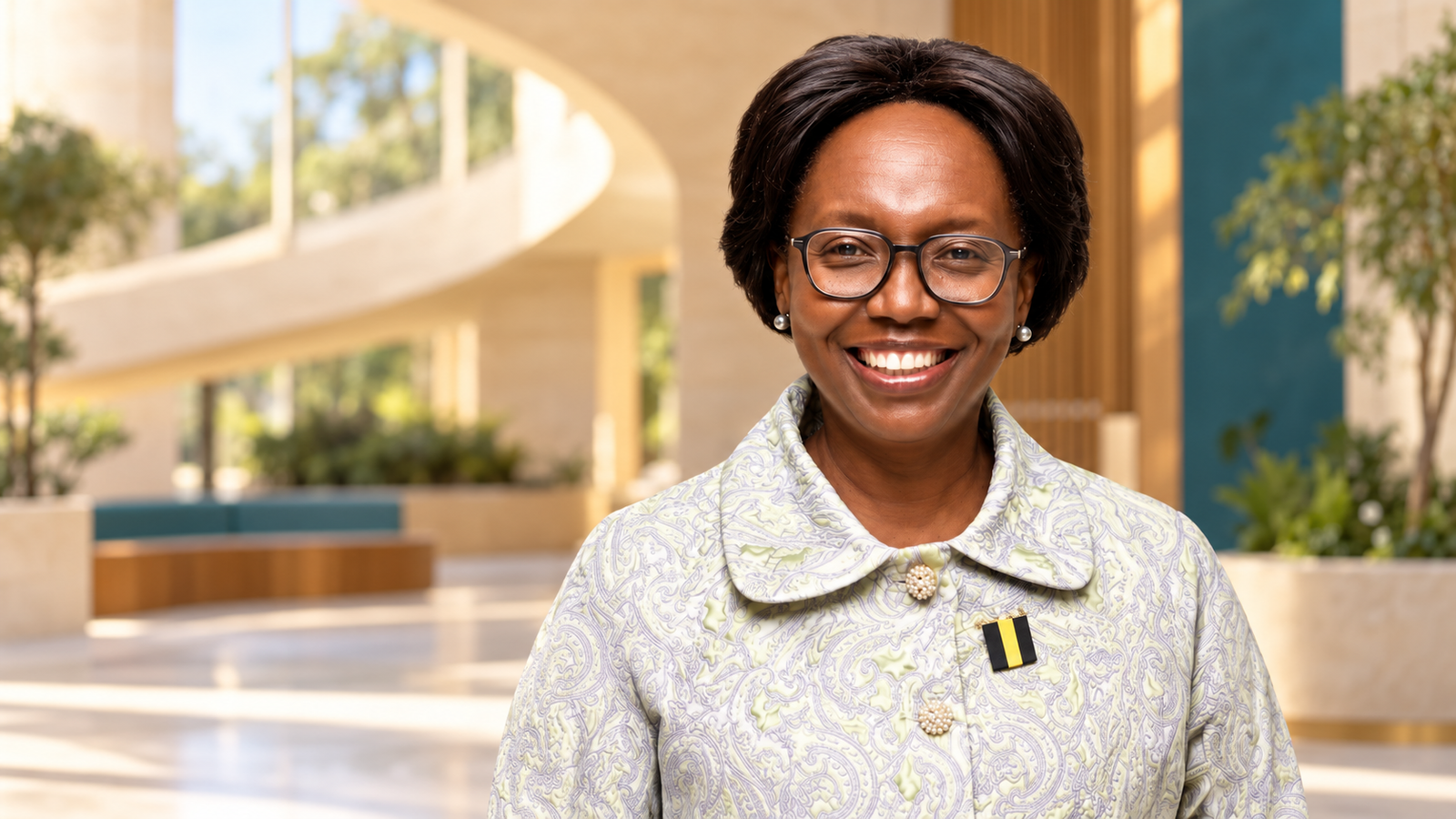

In his current role, Dr. Salako works alongside Coordinating Minister Professor Muhammad Ali Pate in advancing Nigeria’s national health agenda.
The ministry’s priorities include improving governance, strengthening health outcomes, expanding the healthcare value chain and preparing the country for public-health emergencies.
Dr. Salako has placed particular emphasis on universal health coverage. At Nigeria’s 2025 National Council on Health, he called for greater equity, resilience and innovation as the country works to make quality healthcare more accessible.
For ordinary families, universal healthcare has a practical meaning: mothers receiving safe maternity care, children obtaining vaccinations and patients accessing treatment without medical expenses pushing their households into financial hardship.
Supporting the People Who Provide Care
A health system is only as strong as the people working within it.
Nigeria continues to need more doctors, nurses, pharmacists, laboratory specialists and other trained professionals. Dr. Salako has supported stronger workforce planning, professional development and improved working environments.
He has also emphasized the importance of reliable information. Accurate workforce data can help the government understand where professionals are needed and ensure that underserved communities are not forgotten.
His approach recognizes that healthcare workers need more than professional qualifications. They also need functioning facilities, dependable equipment, appropriate supplies and institutional support.
Building Nigeria’s Health Economy
Dr. Salako is also encouraging Nigeria to produce more of the medicines, medical equipment and healthcare supplies its people require.
Local production can strengthen access to essential products, create skilled employment and protect the country when international supply chains are disrupted.
This vision extends to traditional medicine. Dr. Salako inaugurated a national committee focused on phytomedicine development and commercialization. In 2026, Nigeria pursued a knowledge-exchange partnership with China to strengthen research, scientific validation and the safe development of plant-based medicines.
The initiative brings respect for indigenous knowledge together with evidence, quality standards and patient safety.
Leadership Across the Full Health System
What distinguishes Dr. Salako’s career is the range of experiences he brings to national leadership.
As a physician, he understands the needs of patients. As a public-health specialist, he recognizes the importance of prevention. As a former environment minister, he understands how living conditions affect wellbeing. As a government leader, he is helping translate those insights into institutions, policies and services.
At Africa Spotlights, we celebrate African leaders whose work demonstrates that sustainable progress requires different sectors to work together.
Dr. Iziaq Adekunle Salako represents that connected approach. His journey reminds us that building a healthier nation involves more than treating illness—it requires strengthening communities, supporting healthcare professionals and creating systems that give every family a better opportunity to live well.